
PUTAI Furring Channel Roll Forming Machine: The Complete 2026 Buyer's Guide
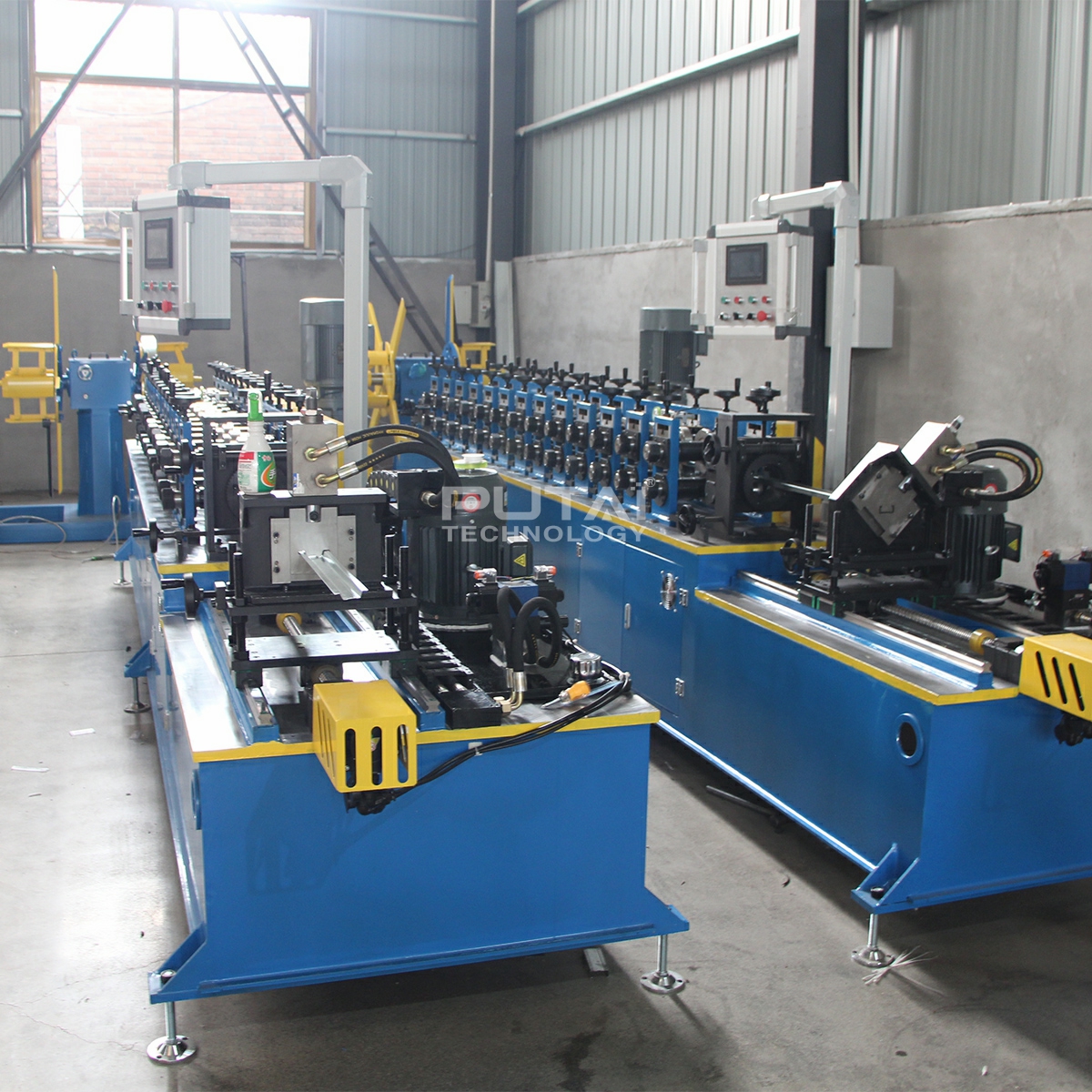
What Is a Furring Channel Roll Forming Machine?
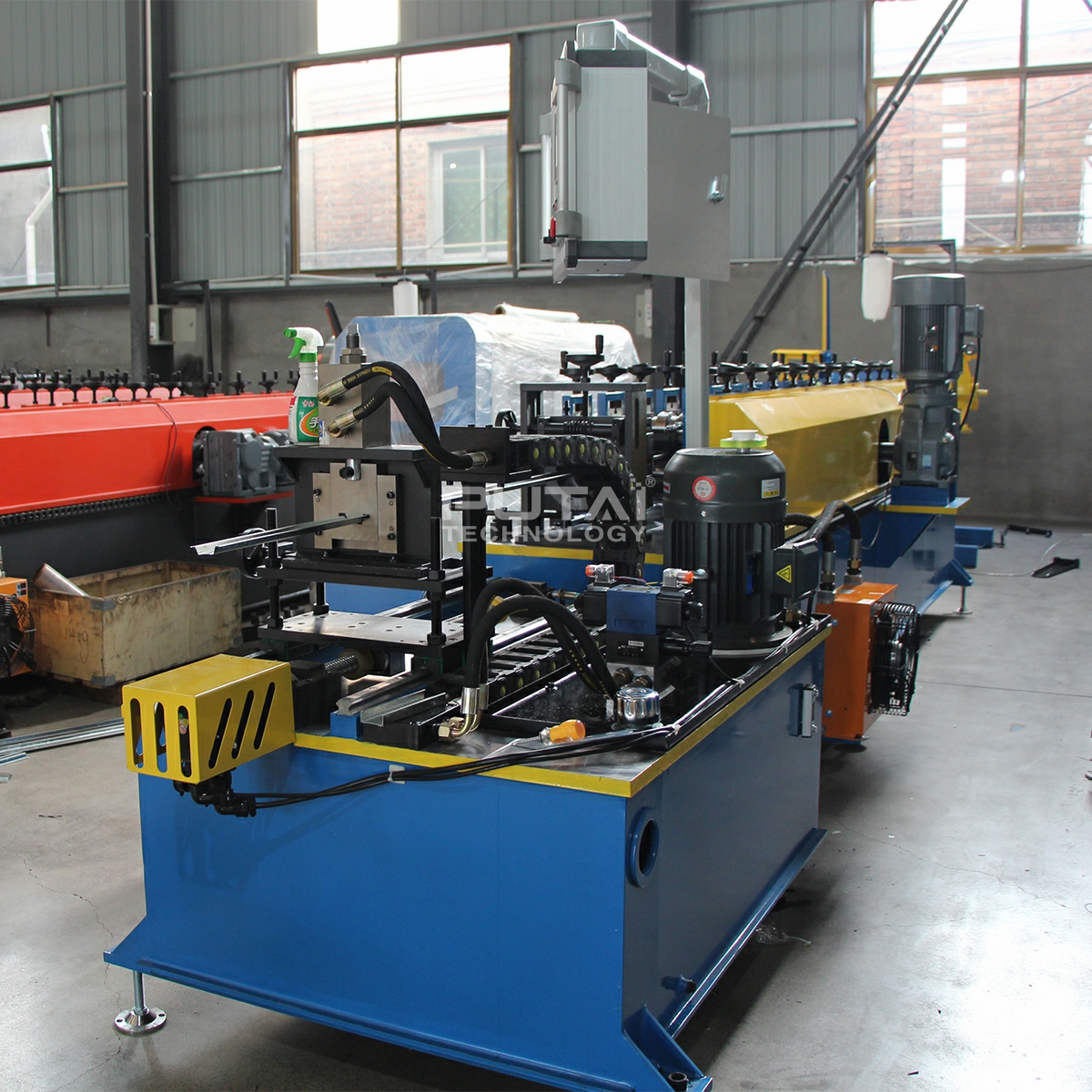
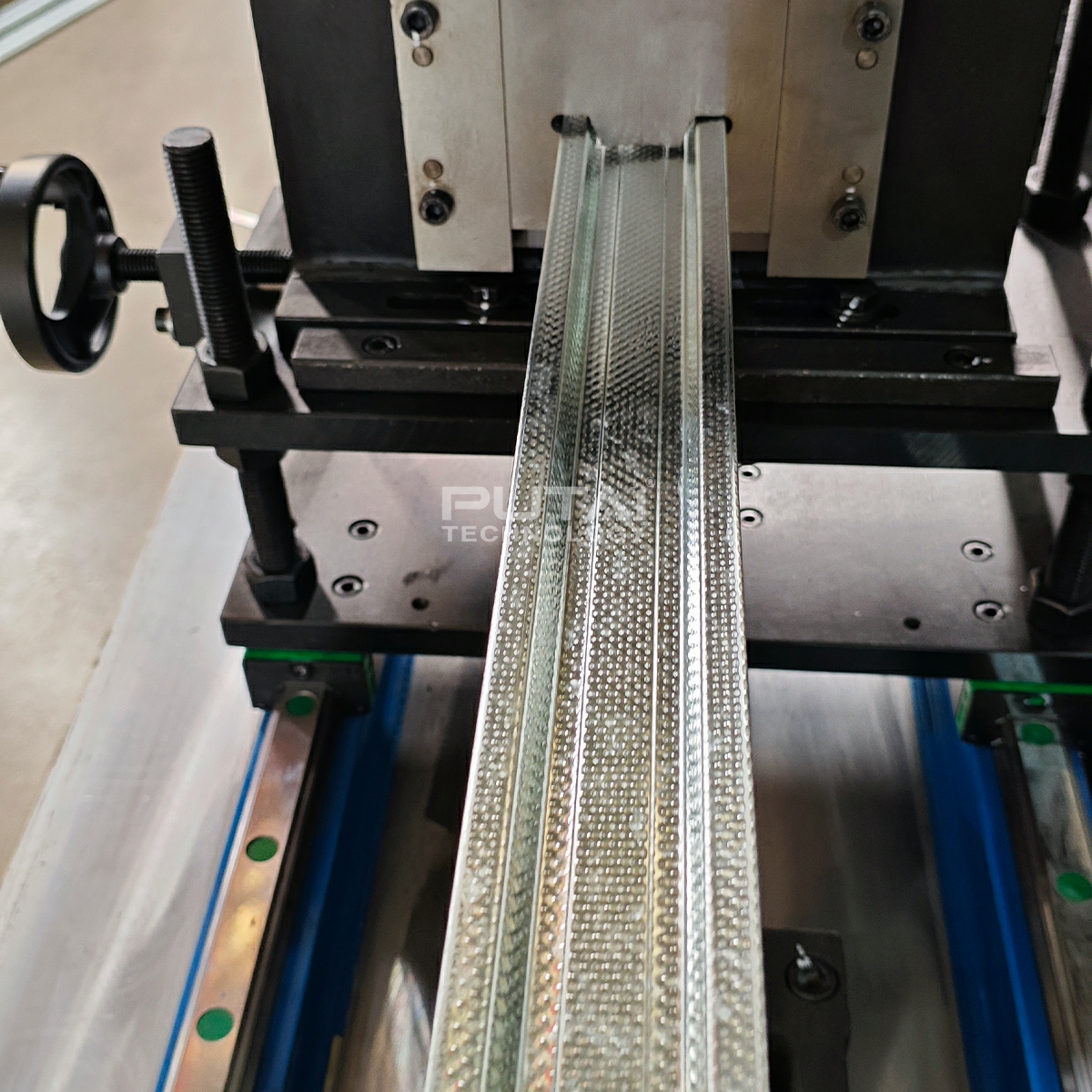
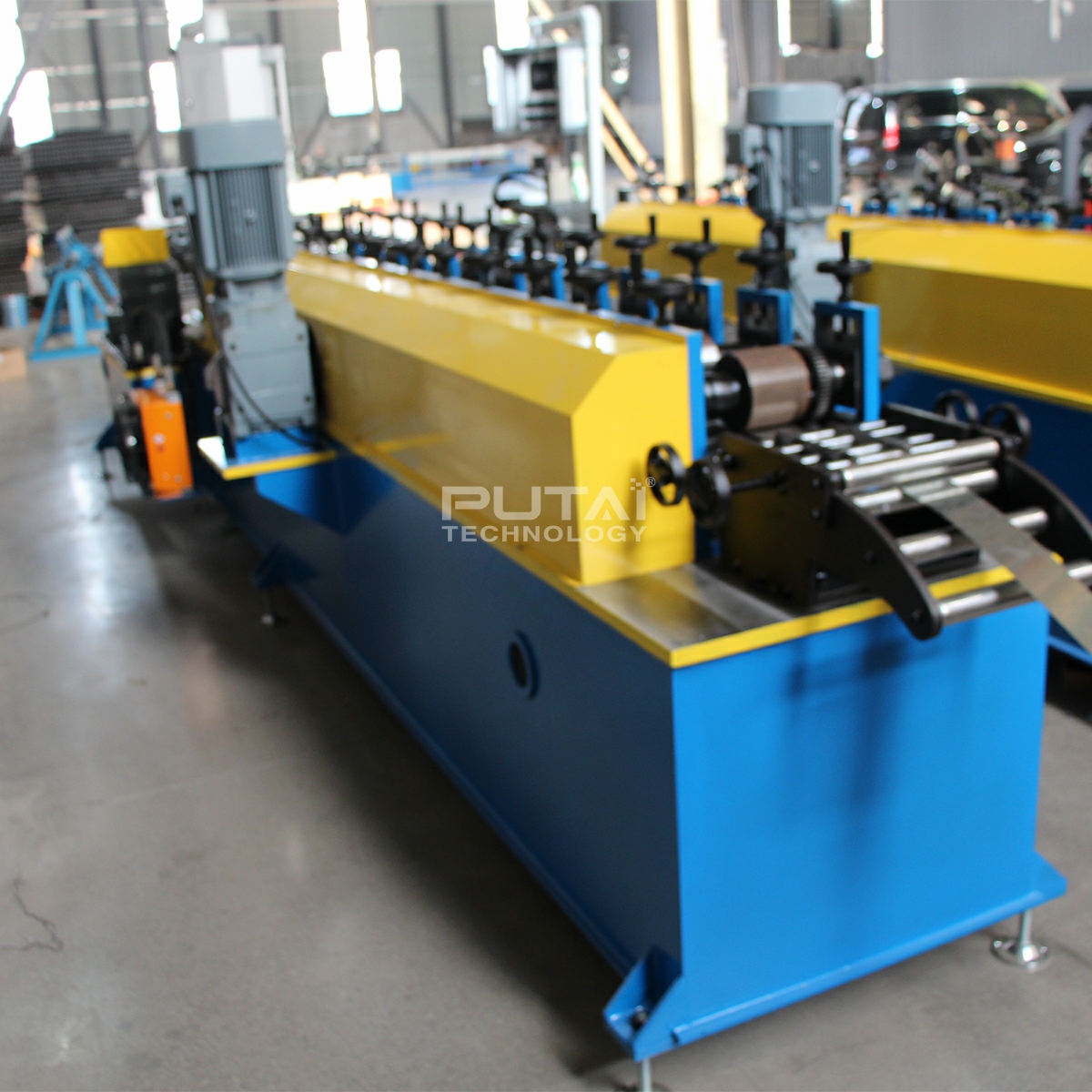
How to Choose a Furring Channel Making Machine
A furring channel making machine is bought for a decade, so weigh the five points that are expensive to change later.
1. Developed length, not the profile name. Send your supplier the drawing with developed strip width. "7/8 in furring channel" describes a family, not a specification.
2. Material yield strength. Furring profiles are commonly rolled from 195–350 MPa galvanized steel; tooling designed around 195 MPa springs back and loses flange angle on 350 MPa coil.
3. Changeover time. If you plan to run several depths, confirm whether the furring channel making machine uses cassette tooling or demands a full roll change.
4. Punching before forming. Punching flat strip is cheaper than punching formed profiles, but needs accurate servo pitch control.
5. After-sales reality. Ask for the commissioning report, spare roller list, and a reference customer running your profile.
Common Applications
Suspended drywall ceilings over cold-rolled channel, out-of-plane wall lining, acoustic ceilings with isolation clips, metal siding support, and prefabricated panels.
FAQ
1. What thickness of steel can a furring channel roll forming machine handle?
Most lines cover 0.3–0.8 mm galvanized coil; heavier 1.0 mm builds exist for 1-1/2 in channels.
2. How fast does a furring channel roll forming line run?
Standard lines run 15–25 m/min; gearbox-driven high-speed builds with flying shears reach 50 m/min or more.
3. What is the difference between a hat channel and a furring channel?
They are the same hat-section profile. "Furring channel" is the term used in ASTM C645 and drywall specifications; "hat channel" is the common trade name.
4. How many forming stations are needed?
11–14 is typical for a 7/8 in hat profile; fewer stations risk web-width drift.
5. Can one furring channel making machine produce several depths?
Yes. Cassette tooling lets a single furring channel making machine run 1/2 in, 7/8 in, and 1-1/2 in profiles, though each depth needs its own roll set.
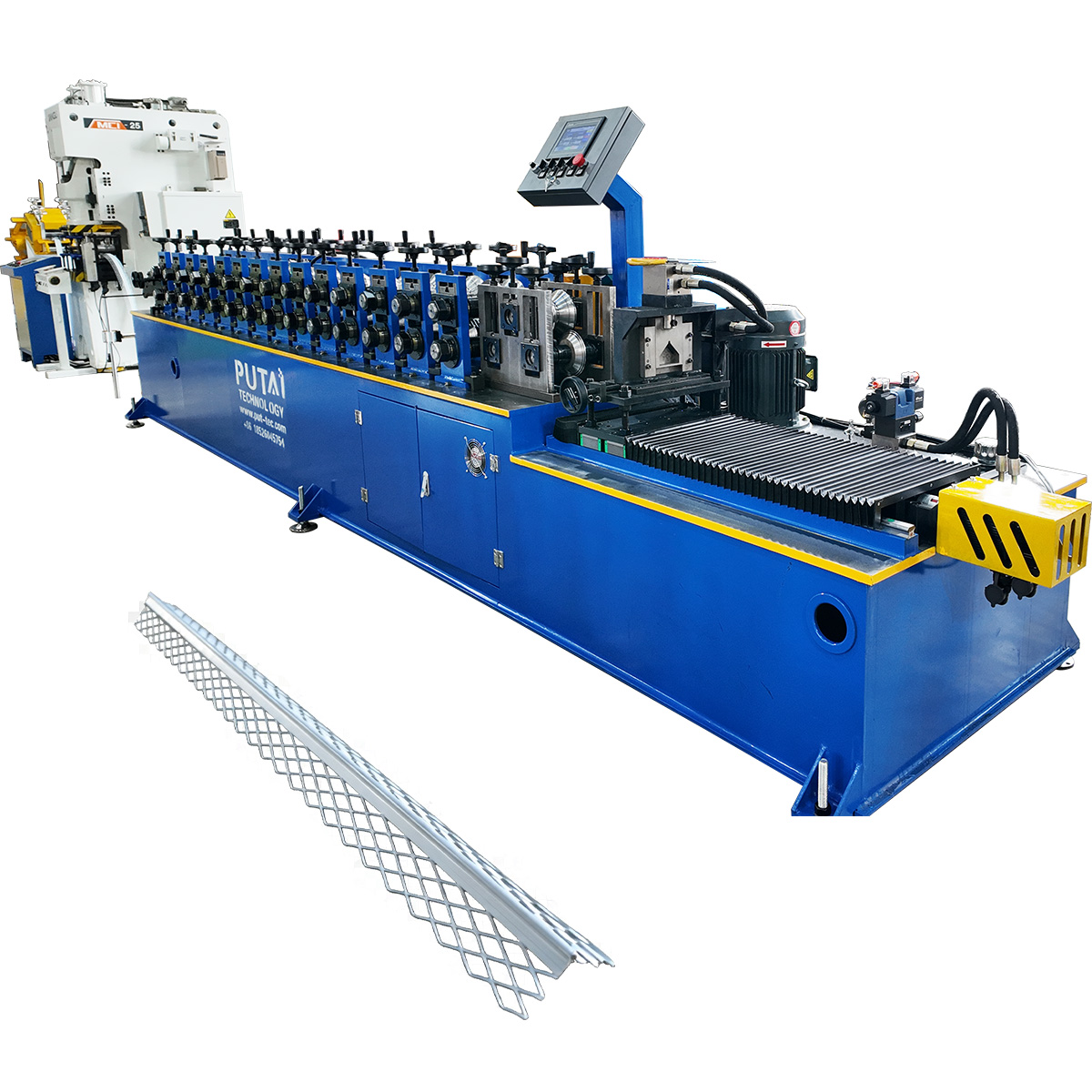 Metal Angle Bead Roll Forming Machine: 2026 Buyer's Guide
 Ceiling U Baffle Roll Forming Machine: The Complete Guide for Suspended Ceiling Manufacturers
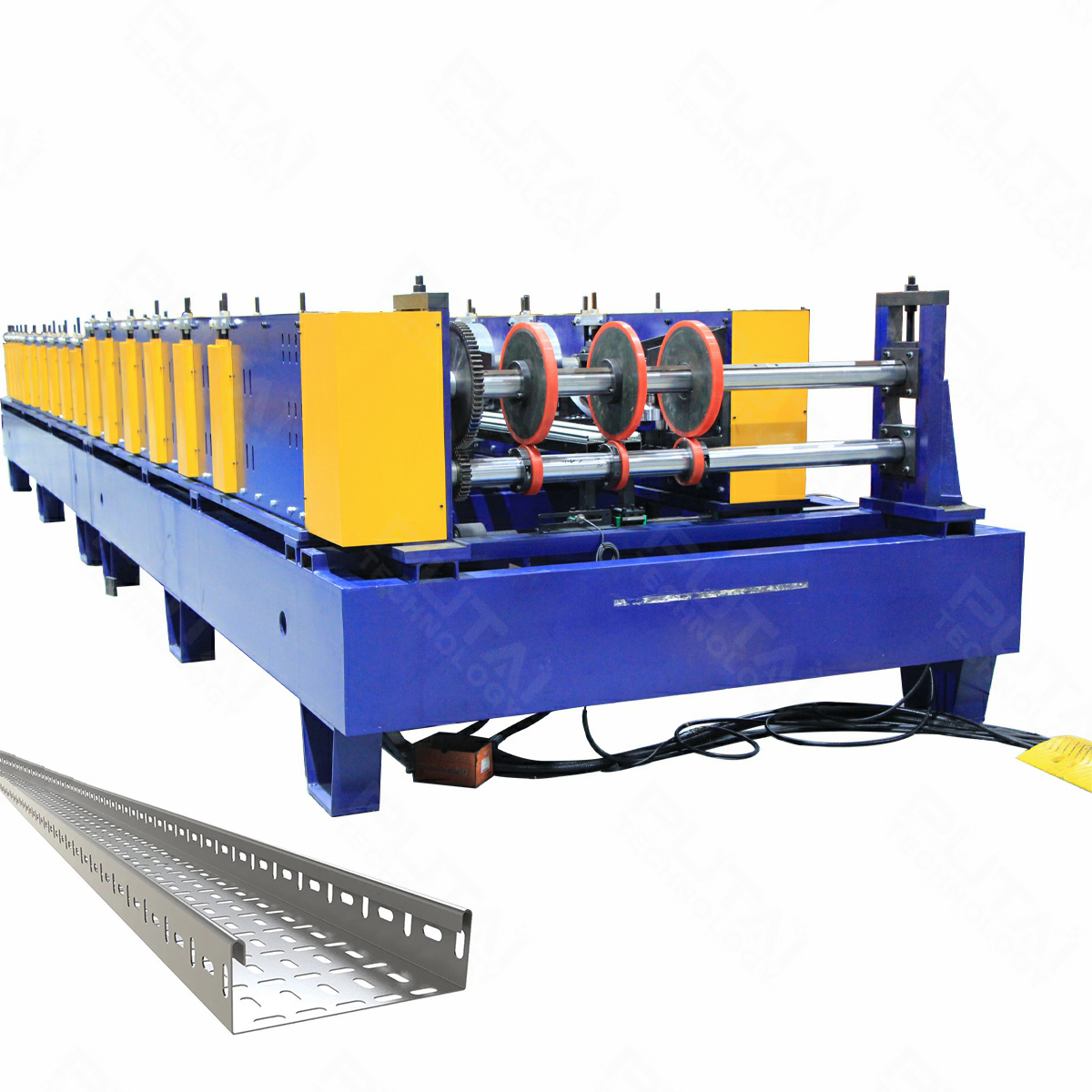 Cable Tray Production: The PUTAI Full Automatic Cable Tray Roll Forming Machine Production Line
 Introducing the 2026 PUTAI Metal Ceiling Triangle Spring Tee Roll Forming Machine
 Putai's Drywall F Shape Roll Forming Machine
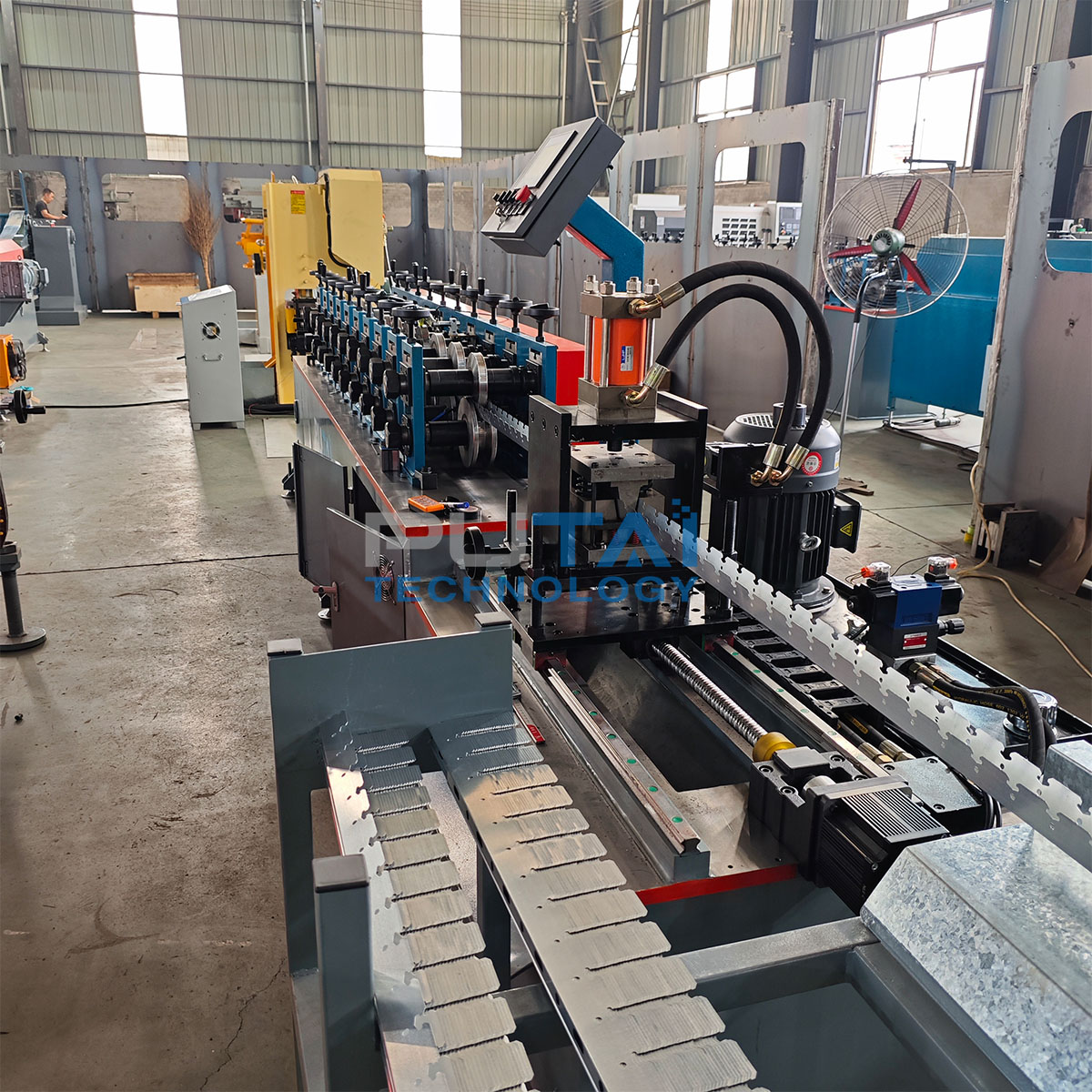 Putai Ceiling Carrier Roll Forming Machine: The Backbone of Suspended Ceiling Systems
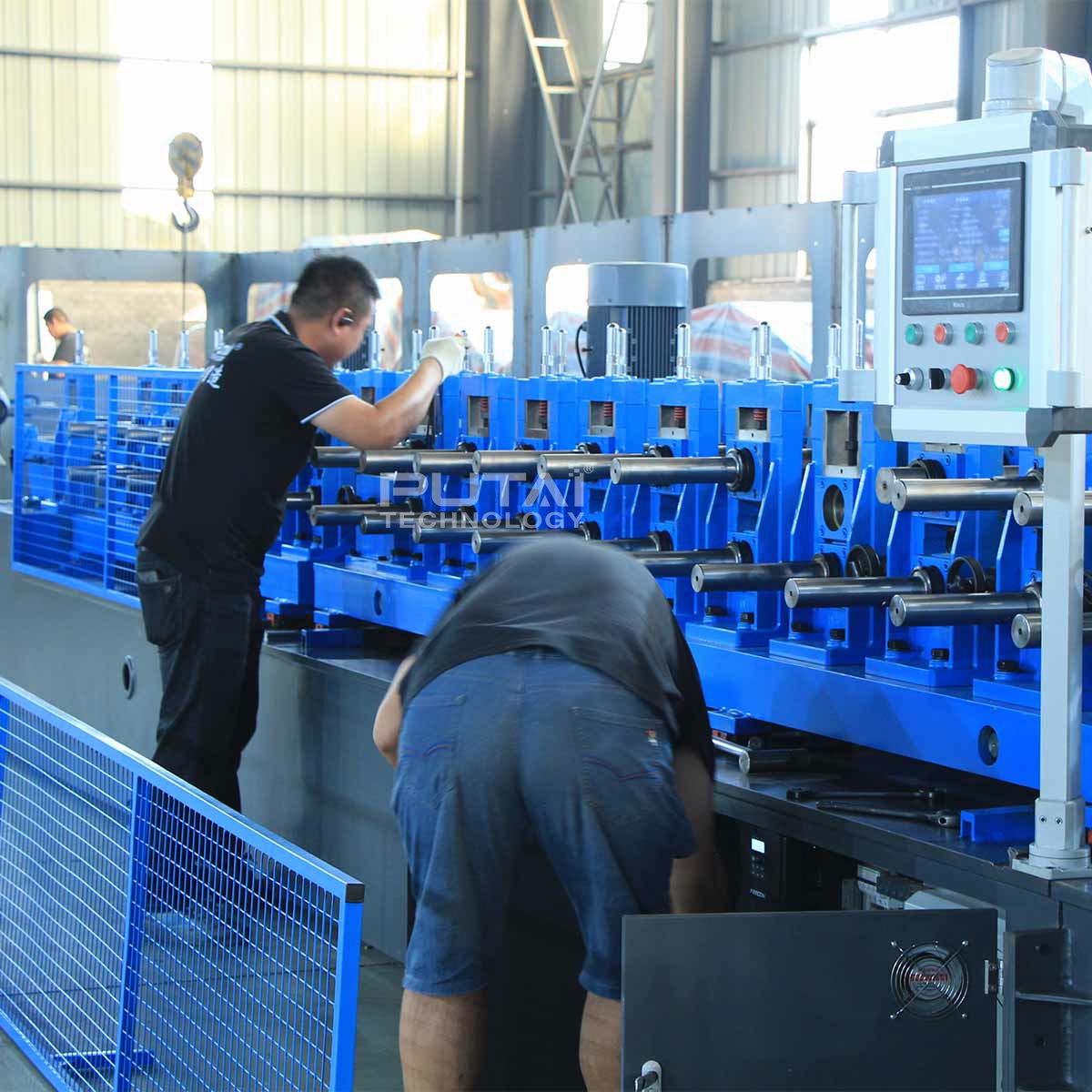 Customers Test C Channel Roll Forming Machine at Putai Factory – A Successful On-Site Trial
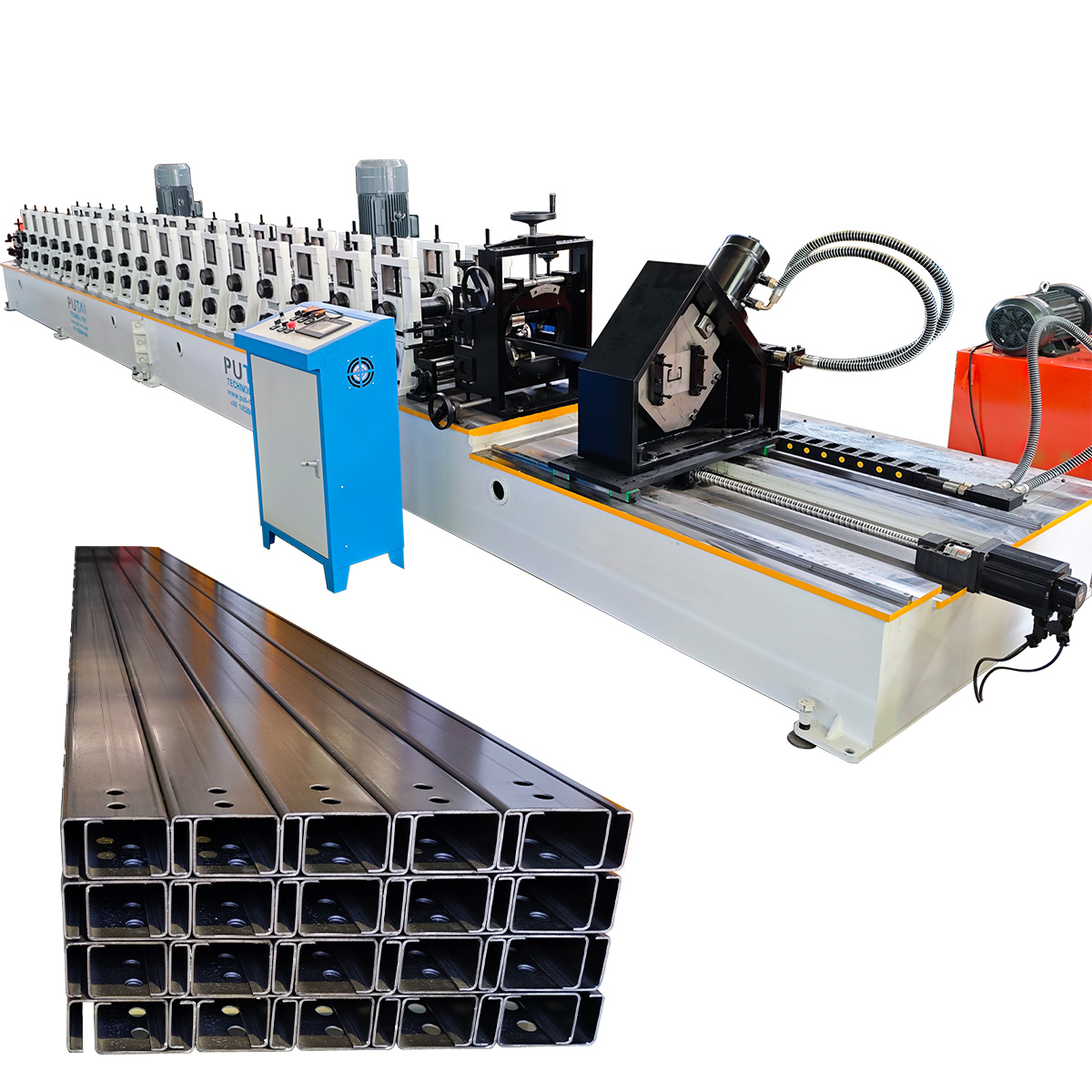 Introducing Putai's Metal Solar C Strut Channel Roll Forming Machine
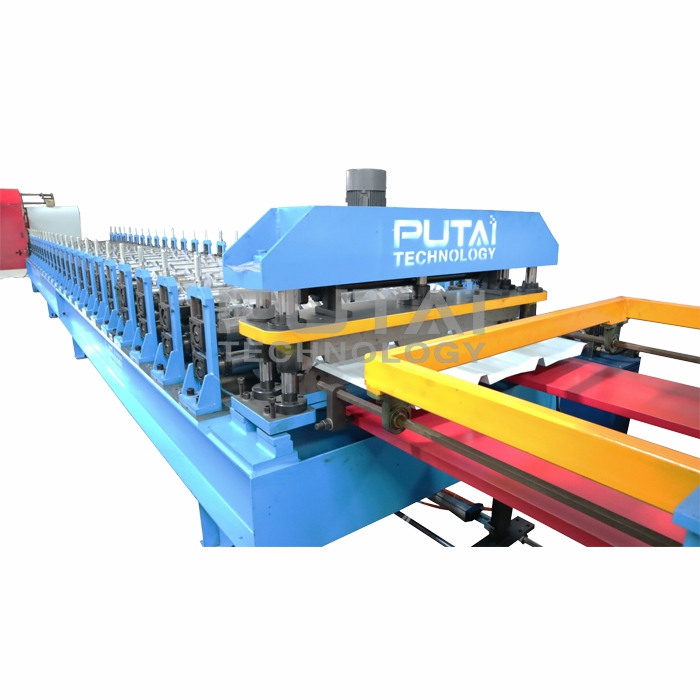 Introducing Putai's Corrugated Roof Sheet Roll Forming Machine
 Introducing Putai's New Drywall C Profile Roll Forming Machinery
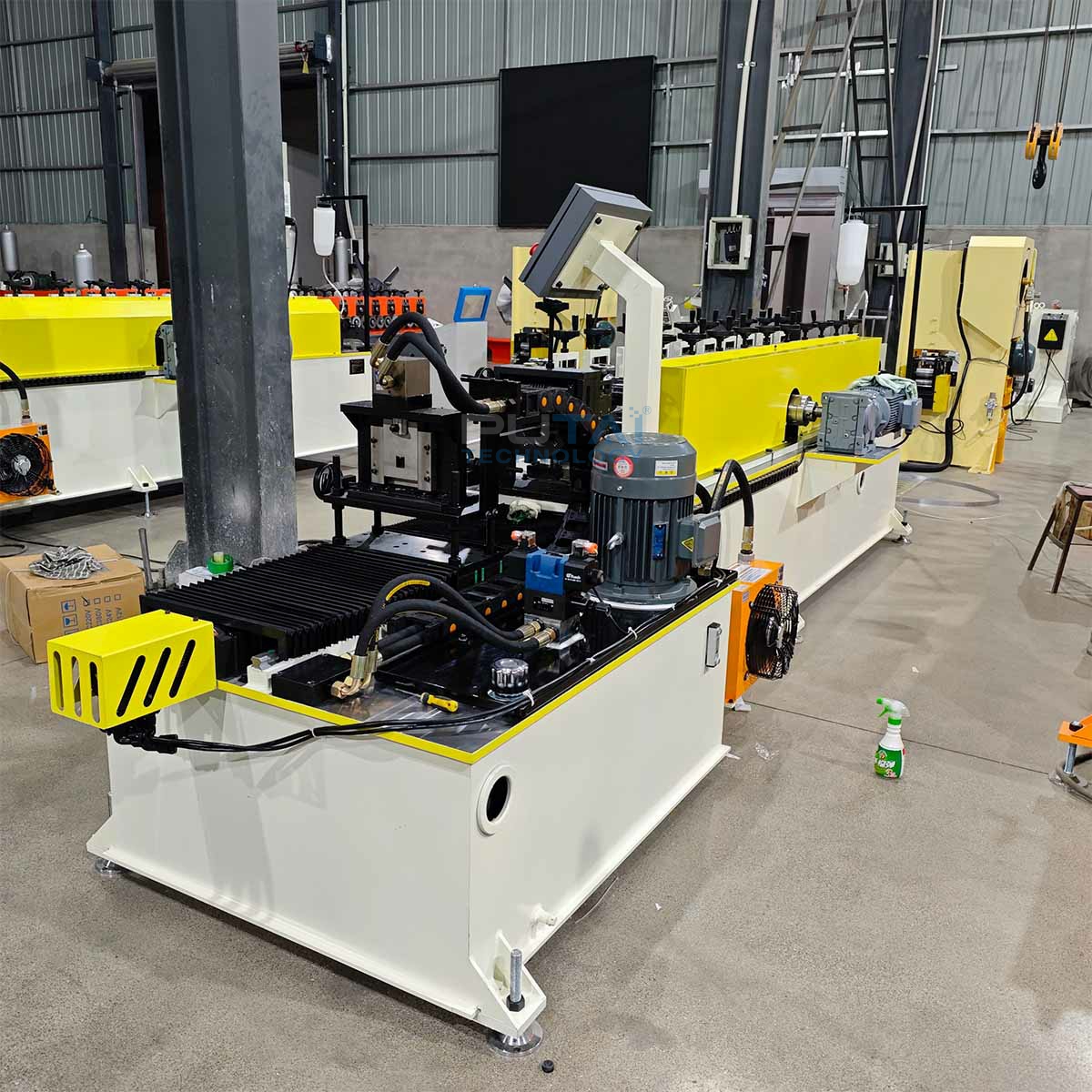 Introducing Putai's Beacon Profile Corner Bead Roll Forming Machine For Leveling
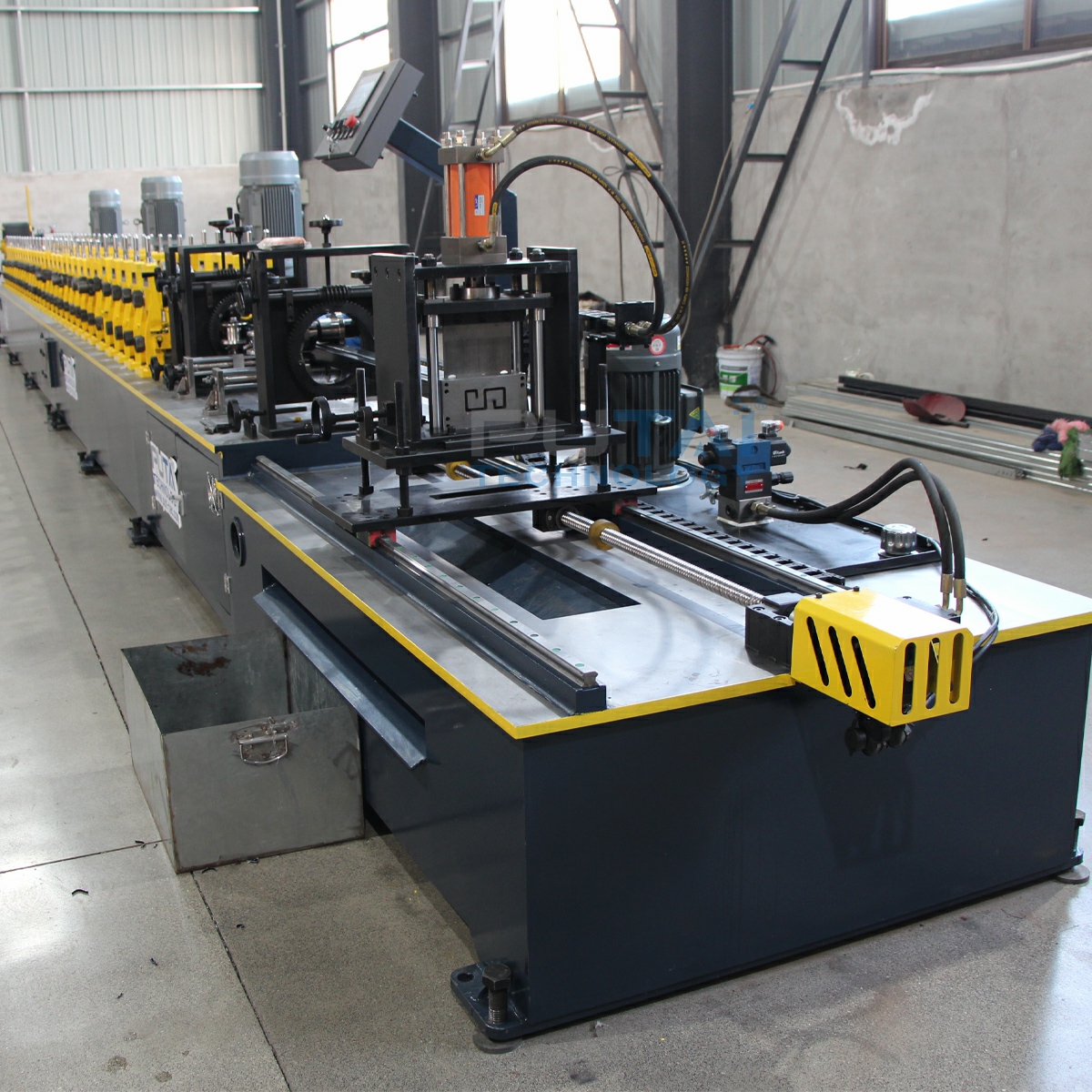 PUTAI Metal Fencing Palisade Picket Fence Post Roll Forming Machine
 Introducing Putai Technology's 2026 New Product: Metal Ceiling Panel Roll Forming Machine
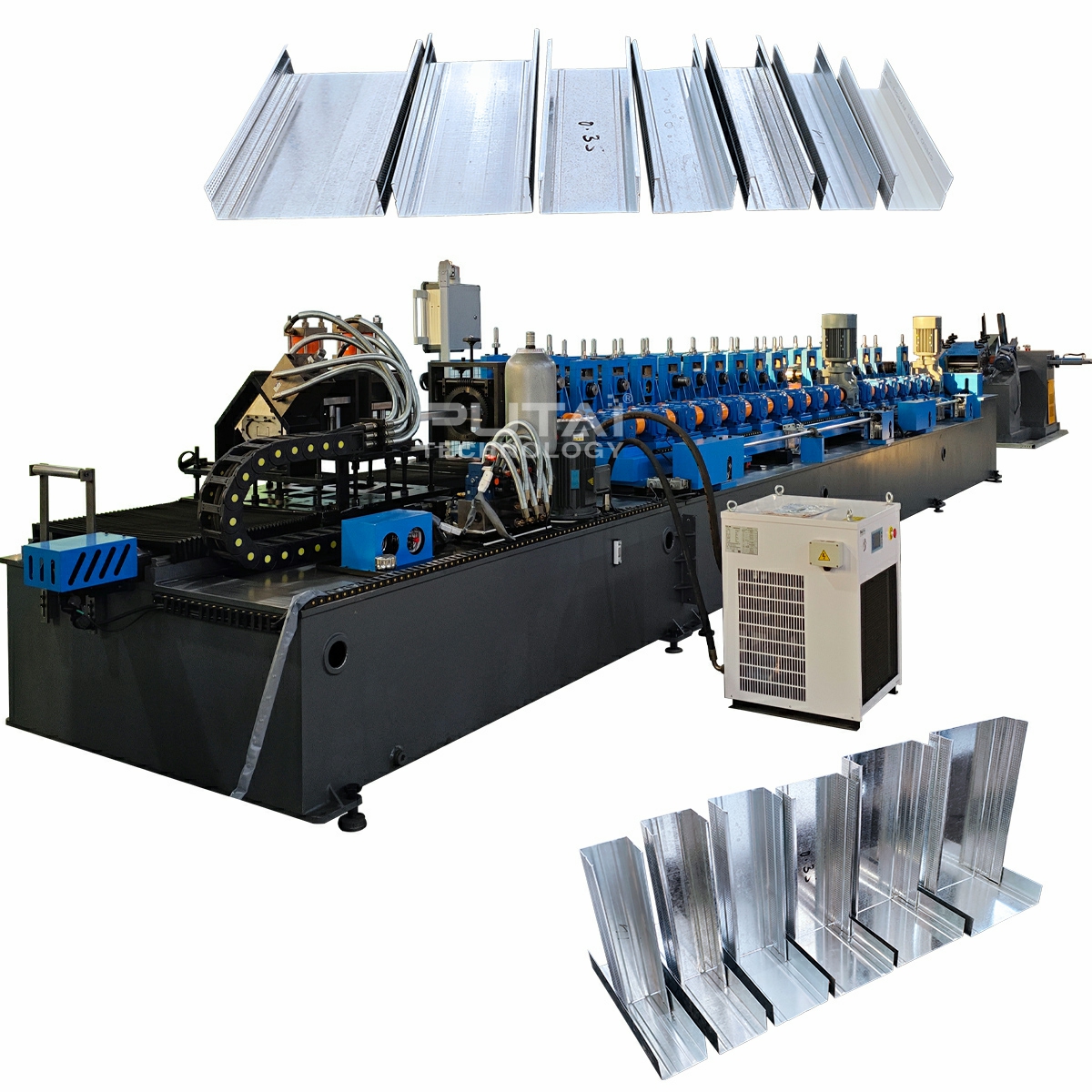 PUTAI Automatic CD Ud Stud and Track Manufacturing Machinery – Drywall C & U Profile Roll Forming Machine
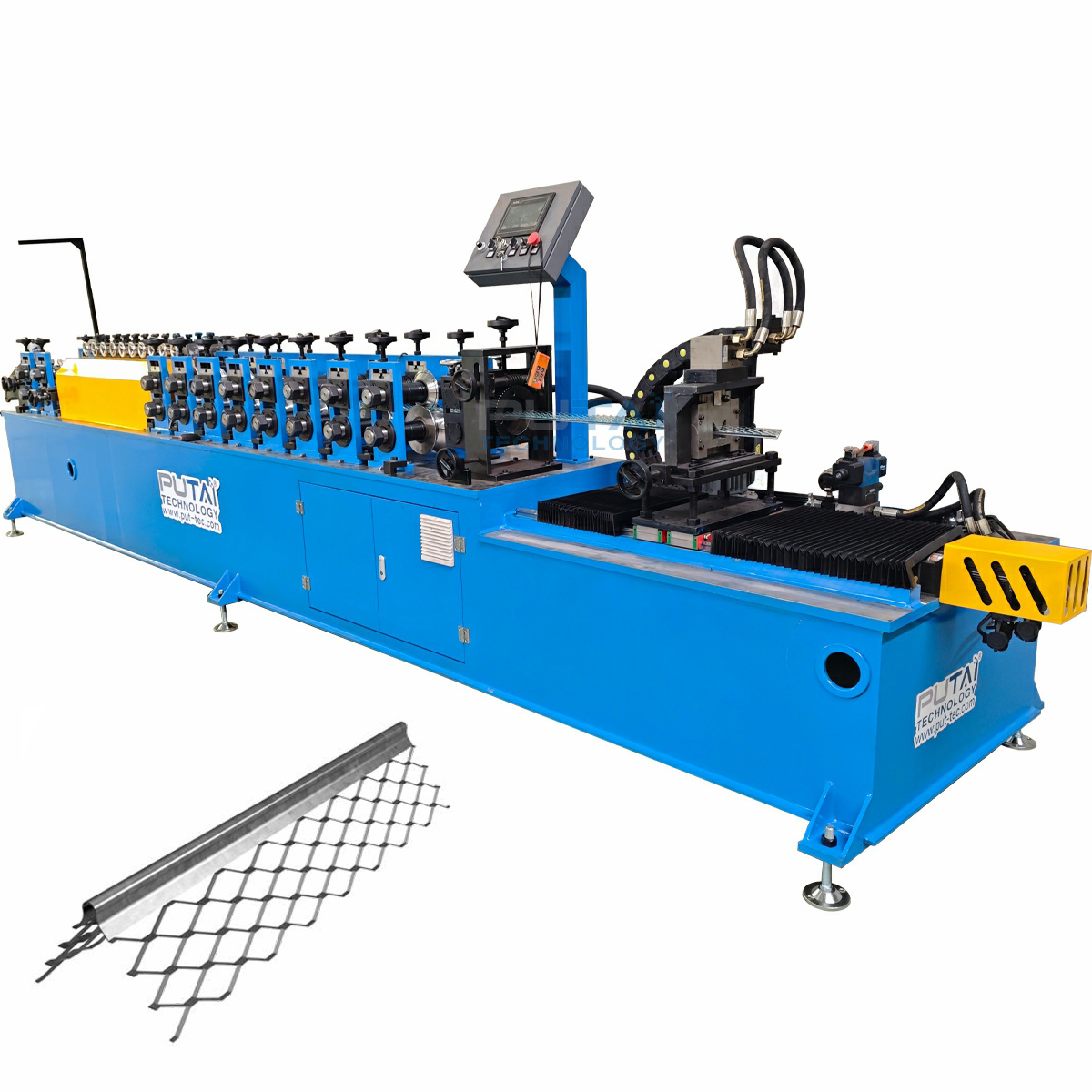 Angle Bead Mesh Machine: The Complete Guide for Manufacturers & Builders
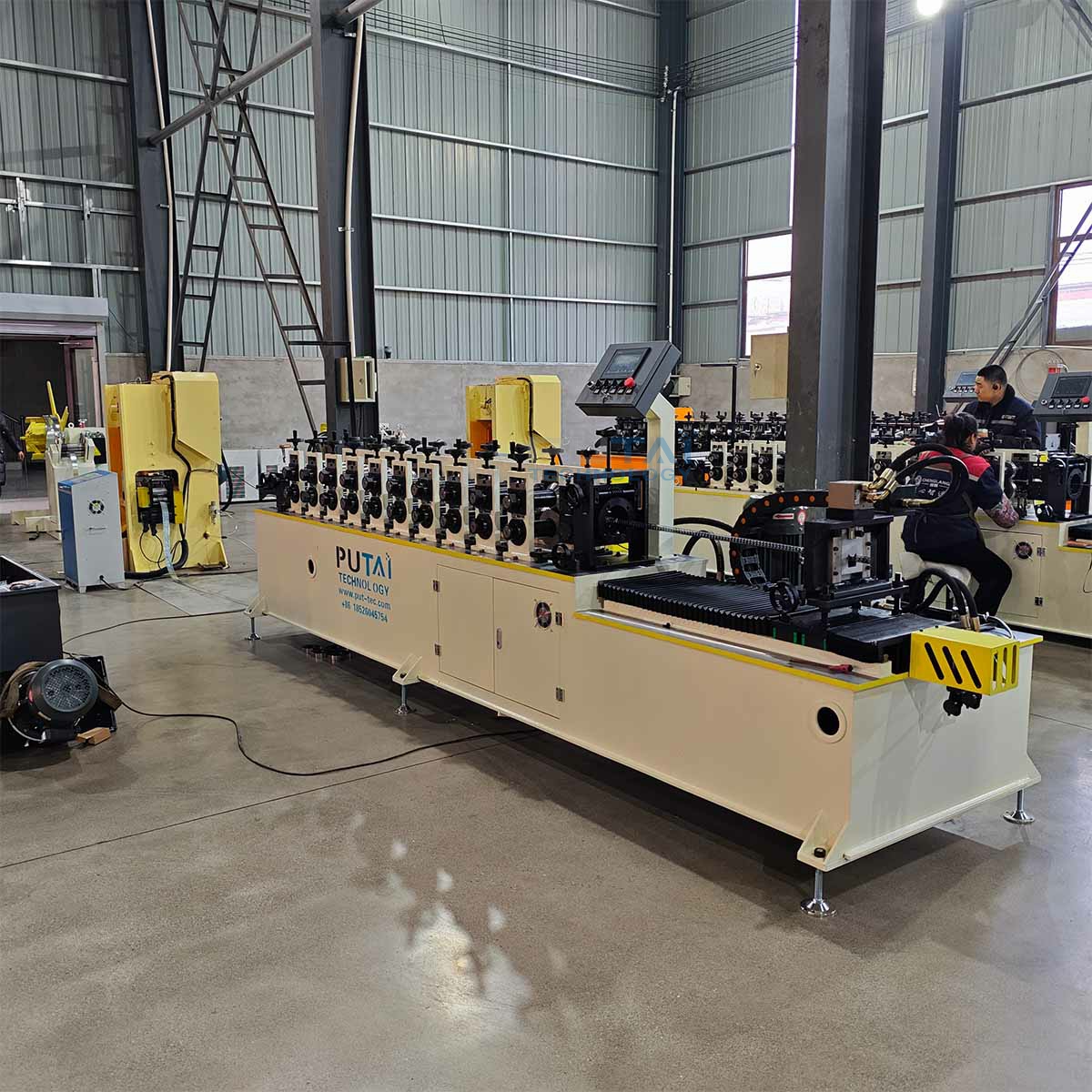 Introducing Putai New Perforated Wall Angle Corner Bead Roll Forming Machine
 Introducing Automatic Perforated Cable Tray Manufacturing Machine Exported By Putai Technology
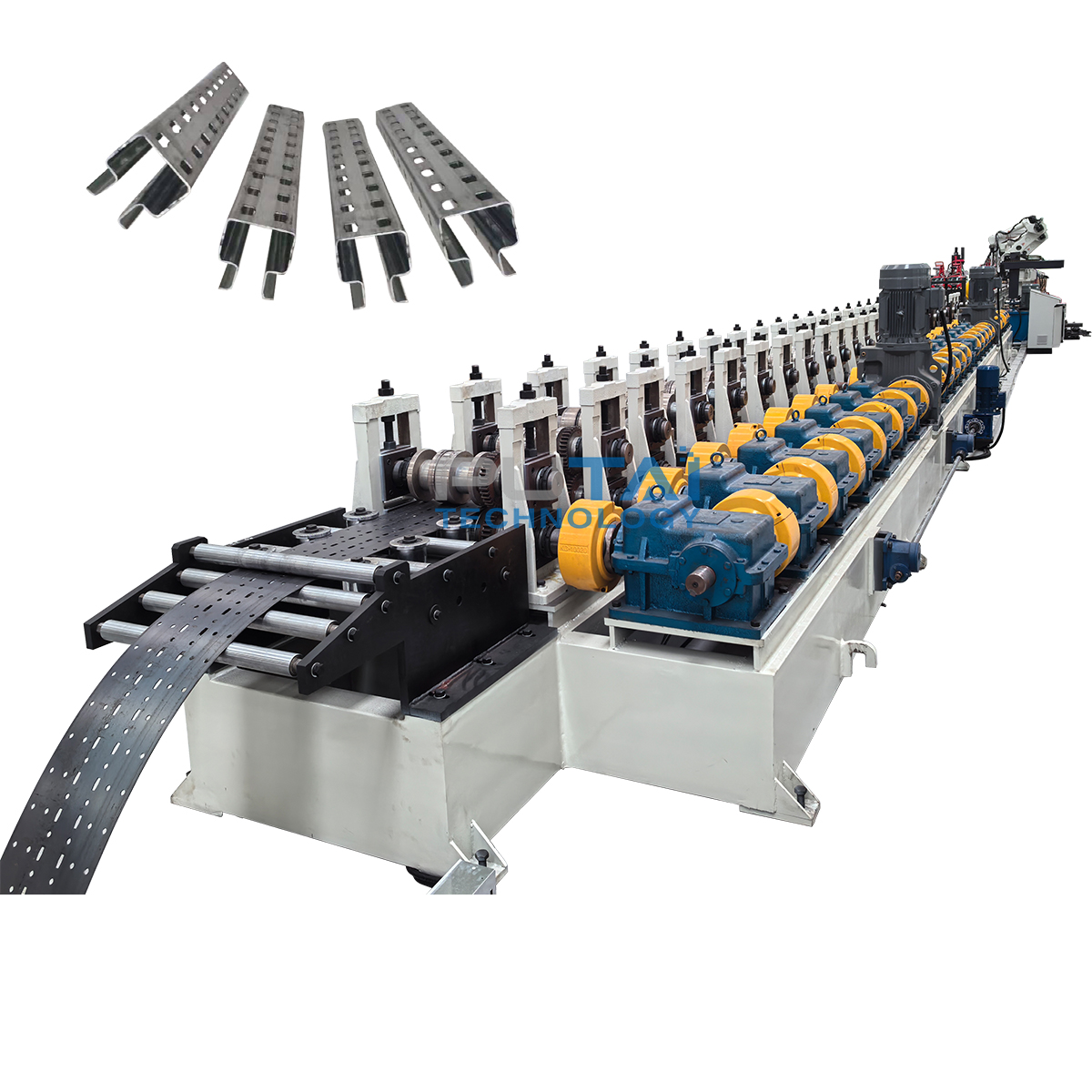 Putai Metal Shelf Rack Roll Forming Machine For Modern Storage Solutions
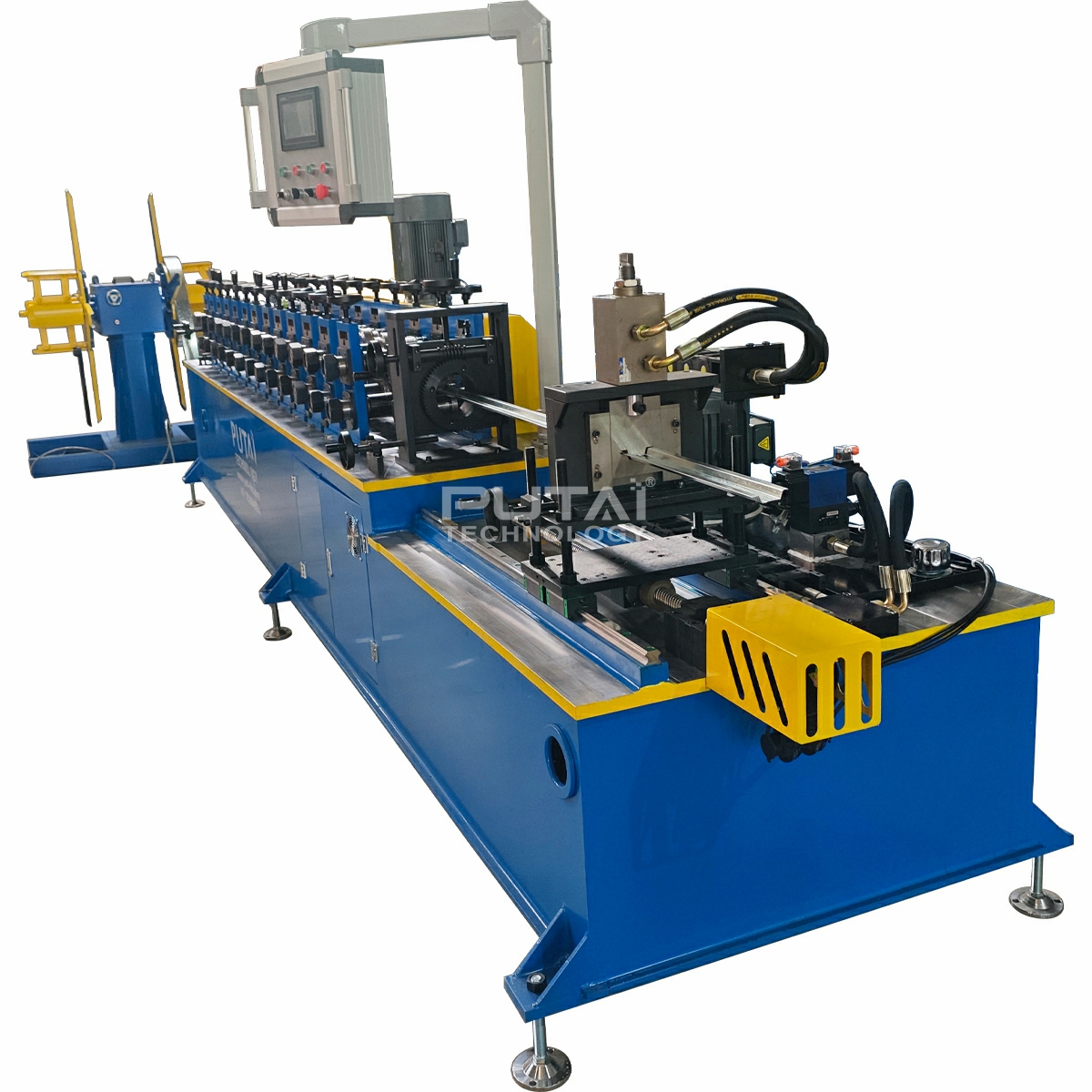 2026 New Furring Hat Channel Roll Forming Machine Exported By PUTAI Technology
 Introducing Putai High Quality Cassette Keel Roll Forming Machine