
Metal Angle Bead Roll Forming Machine: 2026 Buyer's Guide
2026-09-29
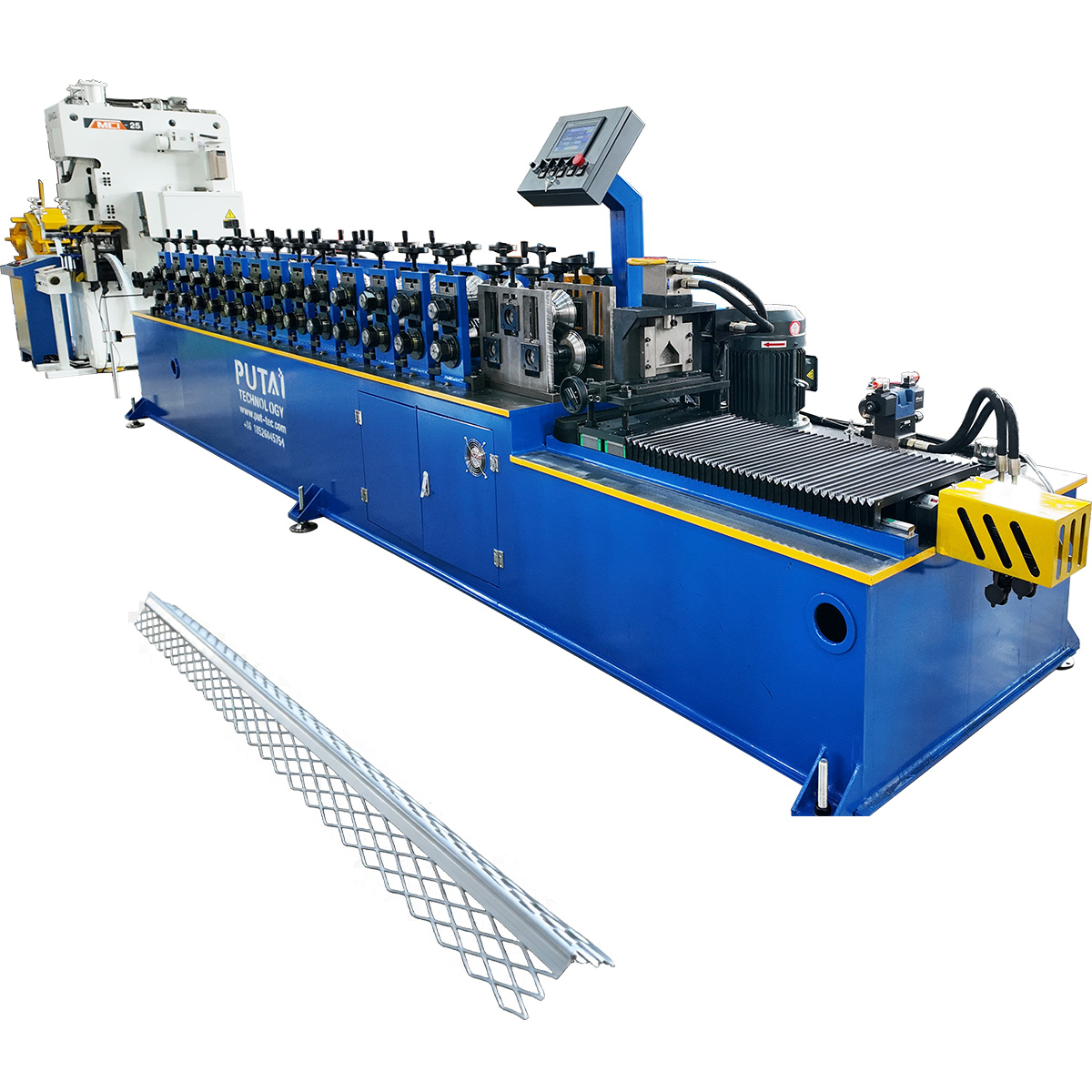
What Is a Metal Angle Bead Roll Forming Machine?
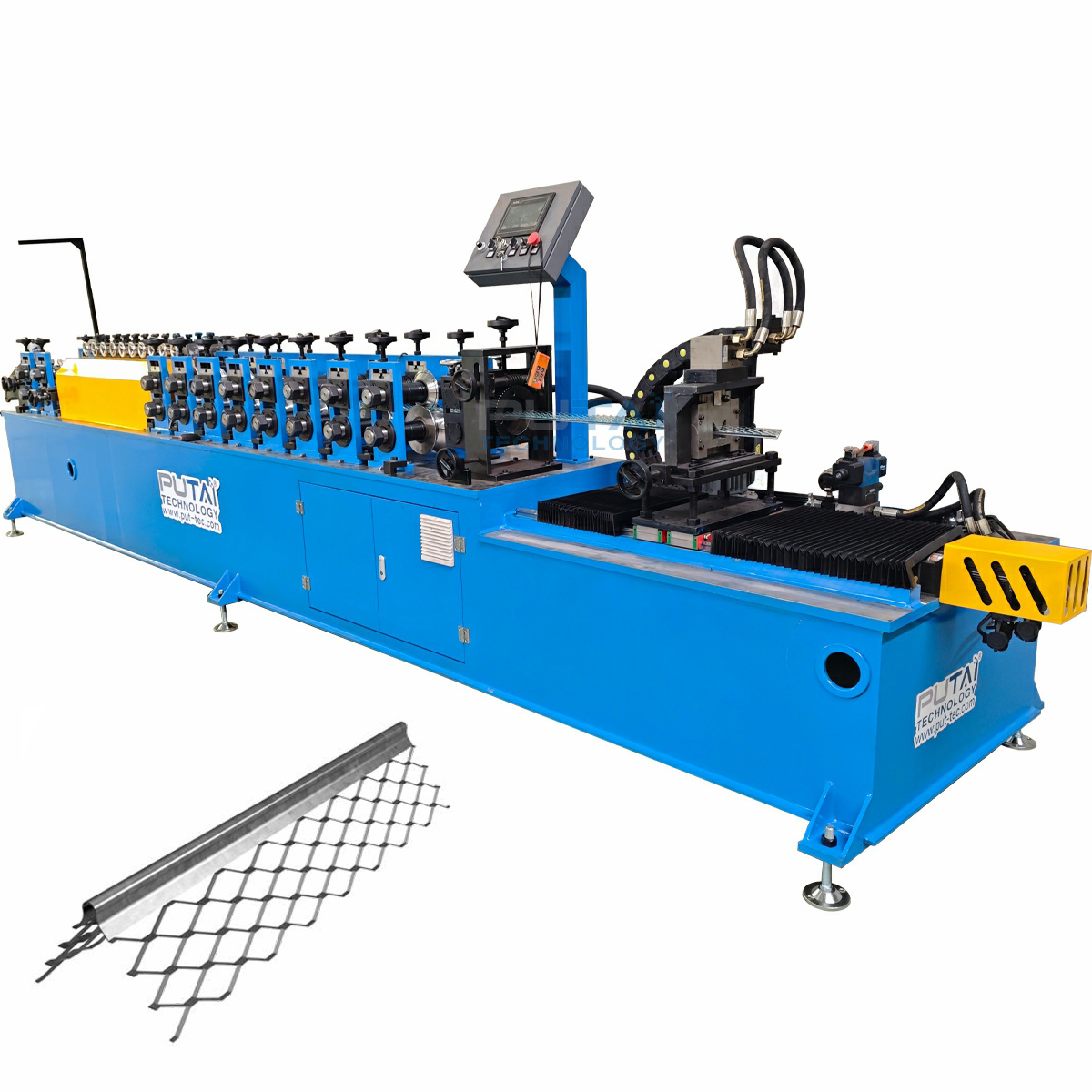
A metal angle bead roll forming machine is a continuous cold-bending system that converts flat metal strip into a rigid 90° corner profile. The finished bead is fixed to external wall corners before plastering or drywall finishing, giving the corner straightness, impact resistance and a clean arris. Depending on the market, the same equipment is also sold as a corner bead machine, a wall angle machine, a plaster stop bead line, or simply an angle bead production line.


How an Angle Bead Production Line Works: 7 Stages
- Decoiling — a manual or hydraulic uncoiler (1–10 t capacity) holds the galvanized coil and feeds strip at controlled tension.
- Entry guide and levelling — the strip is centred and flattened so it enters the first station true.
- Punching or perforating — a rotary punch or an eccentric press pierces the wings. The holes let plaster or joint compound pass through and lock the bead in place. Some lines instead slit and stretch the strip into expanded metal mesh.
- Roll forming — 9–16 stations (up to 20 for complex mesh profiles) progressively bend the strip to the final angle. Rollers are typically Cr12, GCr15 or 45# steel, hardened to 55–62 HRC and hard-chrome plated.
- Straightening — a straightening head removes residual bow and twist so the bead lies flat on the wall.
- Cutting to length — a hydraulic stop-and-cut shear, or a servo tracking shear that cuts on the move. Typical tolerance is ±0.5–1 mm over 3 m.
- Run-out and stacking — finished beads are collected on a run-out table, bundled, and packed for shipment.


How to Choose the Right Machine
When sourcing a mesh angle bead roll forming machine, evaluate:
- Profile range – Do you need only render bead or also plaster/expanded/fiberglass mesh?
- Mesh process – Will mesh be pre‑supplied and welded inline, or will the machine expand/pierce the wing from coil?
- Material and thickness – Galvanized 0.4 mm needs different rollers than stainless 0.6 mm.
- Output requirement – Calculate daily meters; choose line speed and automatic stacking accordingly.
- Changeover time – If you produce many sizes, ask for quick‑adjust tooling.
- After‑sales support – Roller resharpening, spare parts, remote PLC support, and installation training.
- Compliance – Ensure electrical standards and safety guards match your market.


Frequently Asked Questions(FAQ)
1. What is the difference between a mesh angle bead and a standard angle bead?
A standard angle bead has solid metal flanges, while a mesh angle bead uses a mesh, expanded, or perforated wing that improves mechanical keying with plaster or render and reduces cracking at corners.
2. Can one roll forming machine produce different mesh angle bead sizes?
Yes. Many automatic lines use interchangeable rollers or adjustable spacers to produce different leg widths and mesh wing widths, though extreme profile changes may require dedicated tooling.
3. Which material is best for render mesh angle bead?
Galvanized steel is most common for general render; stainless steel is preferred for humid or coastal areas; aluminum is lighter but softer. Material choice affects roller pressure and machine settings.
4. How fast is a mesh angle bead roll forming machine?
Standard lines run about 10–25 m/min. High‑speed configurations with servo feeding and flying shear can exceed 30–40 m/min depending on profile complexity.
5. Do I need separate equipment for mesh welding?
If you use pre‑made wire or fiberglass mesh, the roll forming line can include an inline welding or bonding station. If the wing is expanded or perforated from the same coil, the machine performs punching/expansion before final forming.
 Ceiling U Baffle Roll Forming Machine: The Complete Guide for Suspended Ceiling Manufacturers
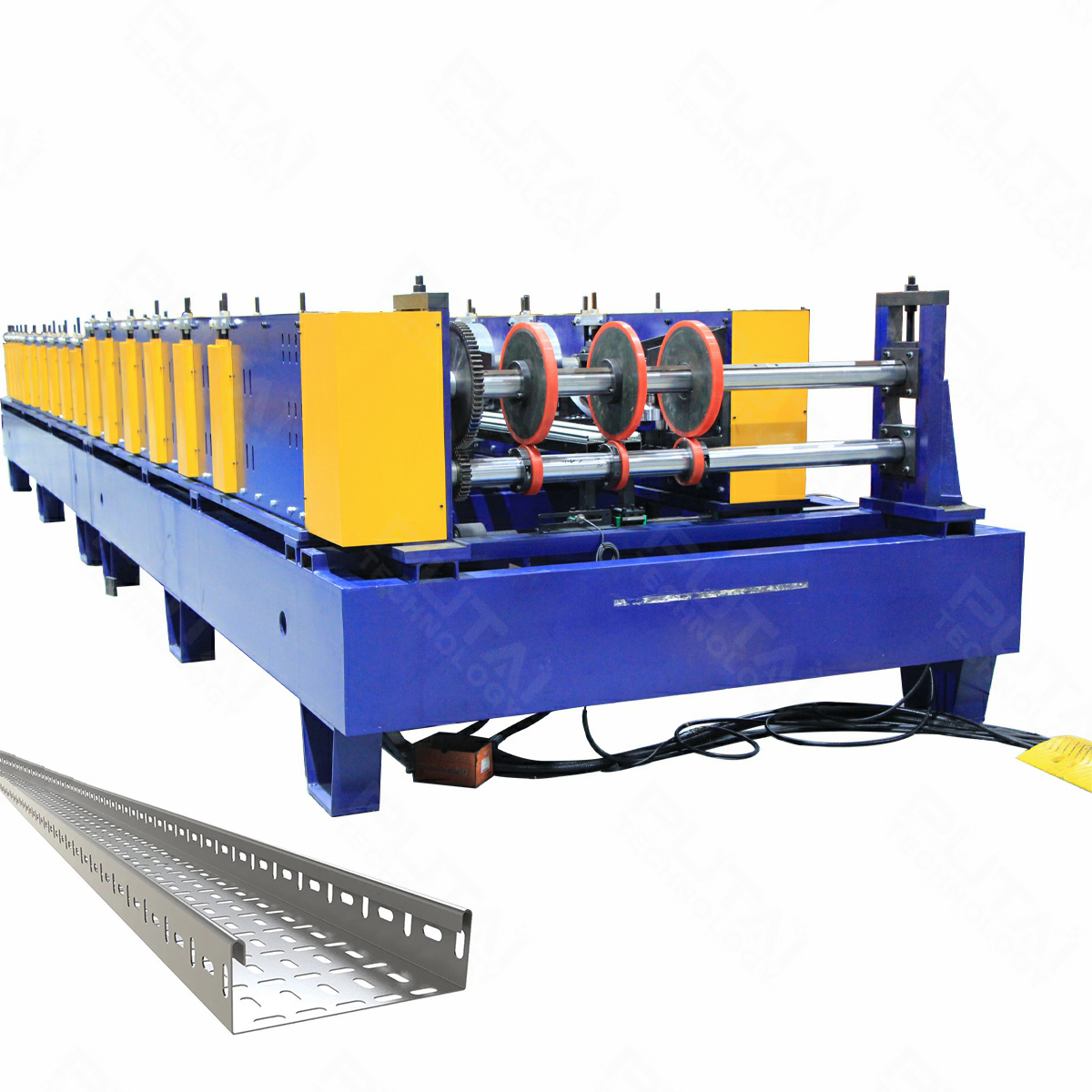 Cable Tray Production: The PUTAI Full Automatic Cable Tray Roll Forming Machine Production Line
 Introducing the 2026 PUTAI Metal Ceiling Triangle Spring Tee Roll Forming Machine
 Putai's Drywall F Shape Roll Forming Machine
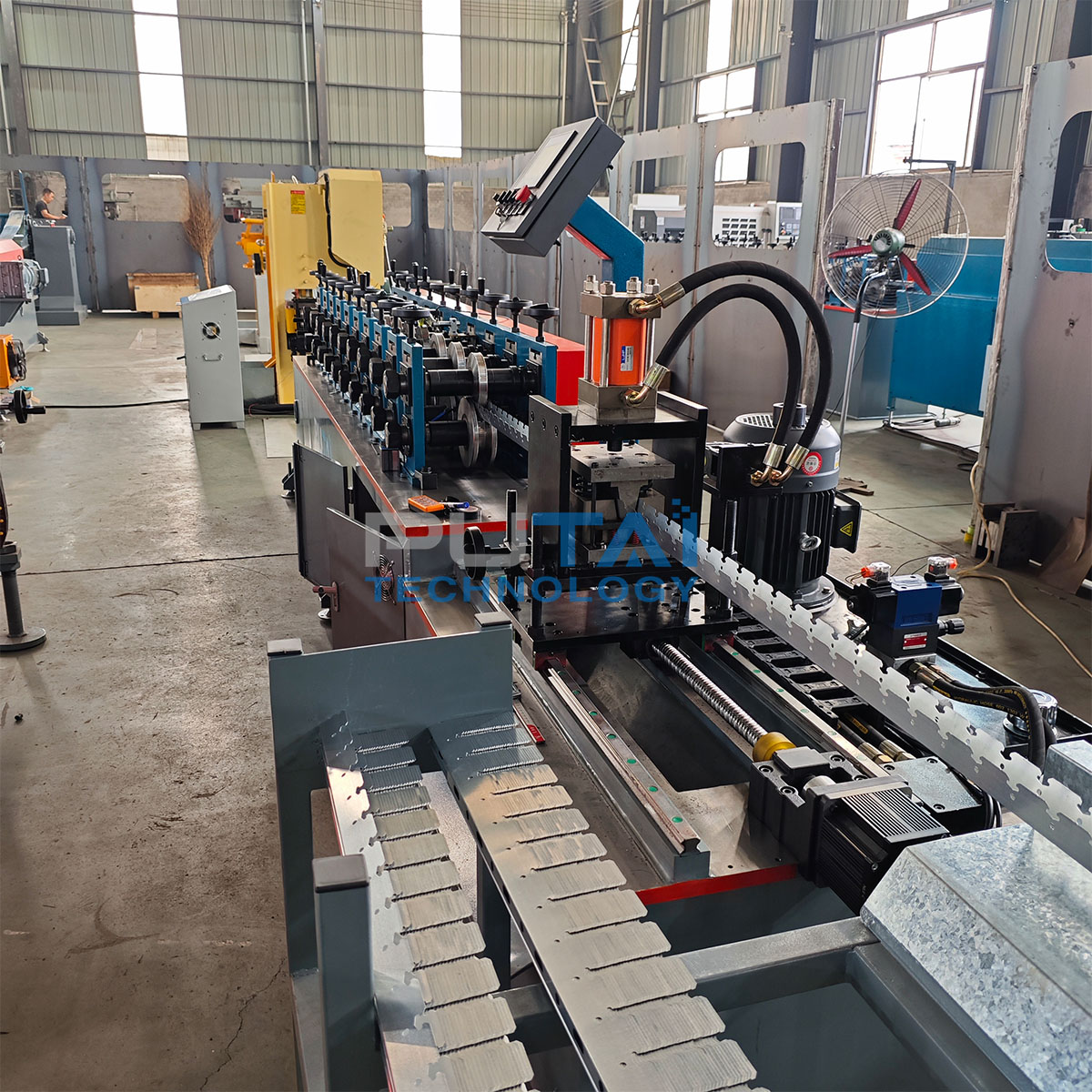 Putai Ceiling Carrier Roll Forming Machine: The Backbone of Suspended Ceiling Systems
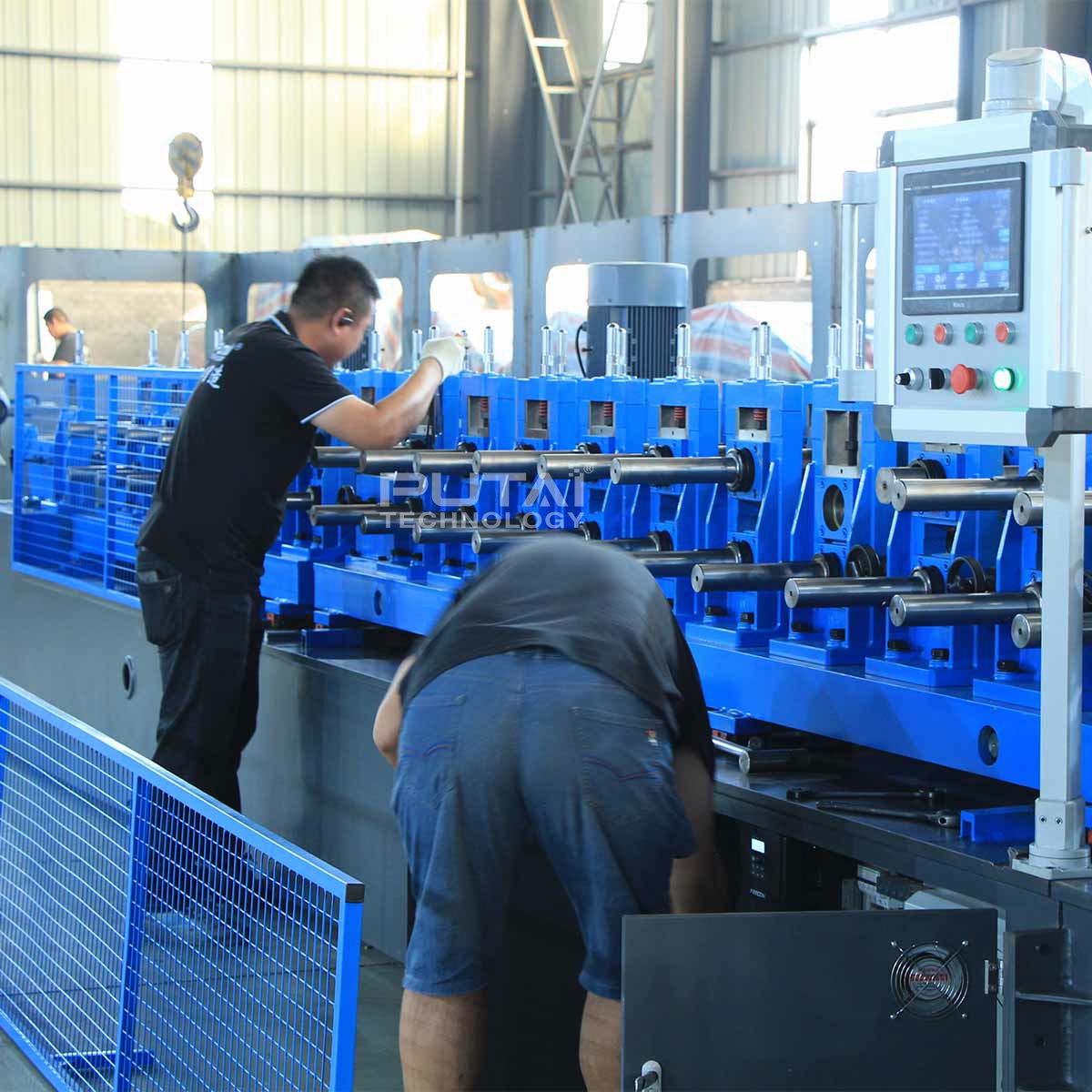 Customers Test C Channel Roll Forming Machine at Putai Factory – A Successful On-Site Trial
 Introducing Putai's Metal Solar C Strut Channel Roll Forming Machine
 Introducing Putai's Corrugated Roof Sheet Roll Forming Machine
 Introducing Putai's New Drywall C Profile Roll Forming Machinery
 Introducing Putai's Beacon Profile Corner Bead Roll Forming Machine For Leveling
 PUTAI Metal Fencing Palisade Picket Fence Post Roll Forming Machine
 Introducing Putai Technology's 2026 New Product: Metal Ceiling Panel Roll Forming Machine
 PUTAI Automatic CD Ud Stud and Track Manufacturing Machinery – Drywall C & U Profile Roll Forming Machine
 Angle Bead Mesh Machine: The Complete Guide for Manufacturers & Builders
 Introducing Putai New Perforated Wall Angle Corner Bead Roll Forming Machine
 Introducing Automatic Perforated Cable Tray Manufacturing Machine Exported By Putai Technology
 Putai Metal Shelf Rack Roll Forming Machine For Modern Storage Solutions
 2026 New Furring Hat Channel Roll Forming Machine Exported By PUTAI Technology
 Introducing Putai High Quality Cassette Keel Roll Forming Machine
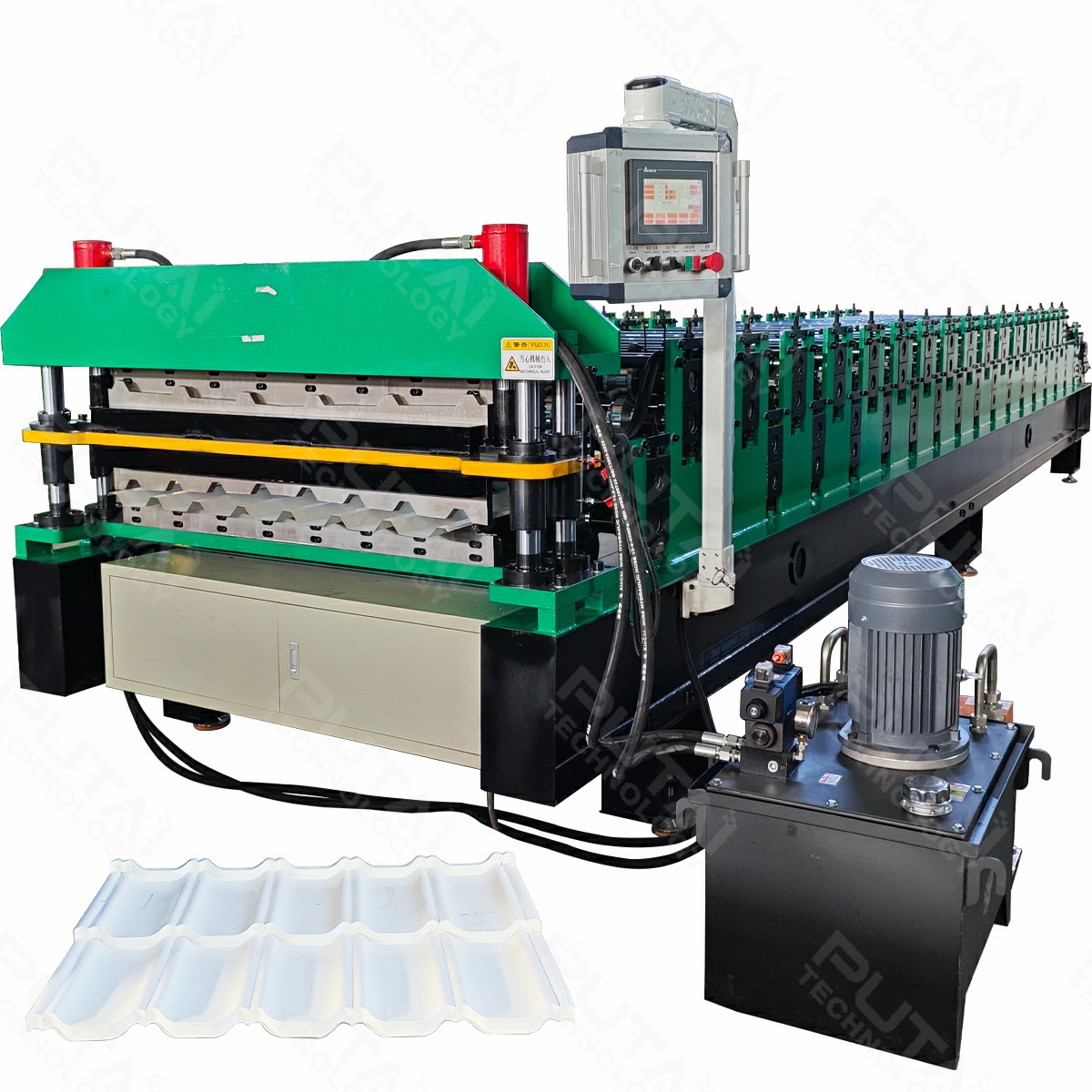 Putai 2025 New Trapezoidal Corrugated Double Layer Zinc Roof Sheet Roll Forming Machine